1. Find the exact model card
Record the repository owner, base model, revision, files, context length, and chat template. A search snippet is not a model specification.
VERIFY THE MODEL BEFORE YOU CONNECT IT
“Qwen 3.8 uncensored” appears in community search, but it is not a verified official Qwen model name. Learn how to check the repository, license, quantization, template, and provider policy before you connect a model to SillyTavern.
Sources: Qwen model card, Qwen Team, SillyTavern
THE FIRST CHECKPOINT
The word can describe a community fine-tune, an abliterated weight, a quantized file, or a provider marketing claim. It does not prove a model is official, private, accurate, or free of usage rules.
Record the repository owner, base model, revision, files, context length, and chat template. A search snippet is not a model specification.
Official Qwen3 open-weight cards list Apache 2.0 for the published models. A community derivative can add its own terms, so read that card too.
SillyTavern is a frontend. The local runner or API provider controls the endpoint, logging, moderation, retention, and hardware requirements.
Check formatting, context length, repetition, and refusals with a small test card. Do not use tests to evade safety controls or to process data you cannot share.
OFFICIAL OR COMMUNITY?
Here is the distinction that prevents most setup mistakes.
| What you found | What it means | What to verify |
|---|---|---|
| Qwen3-8B or another Qwen3 card | An official Qwen release when the repository is owned by Qwen | Card owner, license, revision, template, and supported runtimes |
| A “Qwen 3.8” community repository | A search phrase or derivative label, not proof of an official release | Base model, training changes, author notes, file hashes, and license |
| GGUF, GPTQ, AWQ, or EXL2 file | A format or quantization of a model, not a safety category | Quant level, memory need, context limit, and compatible runner |
| Hosted “uncensored” endpoint | A provider policy claim that may change over time | Terms, privacy, content policy, retention, region, and billing |
The official Qwen3-8B card currently describes 8.2B parameters, Apache 2.0, 32K native context and 131K with YaRN. Those facts do not transfer automatically to a community derivative.
SILLYTAVERN CONNECTION PATH
Keep the frontend, runner, and model card separate in your notes. That makes a failure diagnosable instead of a guessing game.
For a local file, use a compatible runner such as llama.cpp, Ollama, or LM Studio. Check the runner version and the model format first.
Use the runner’s documented OpenAI-compatible address when available. Keep the endpoint private and do not expose it to the public internet by default.
Use the template recommended by the model card. Wrong stop tokens or chat formatting can look like censorship, looping, or broken memory.
Change context, temperature, or thinking settings separately. Save a known-good preset before experimenting.
WHEN IT FAILS
Check the provider policy, system prompt, character card, and template. A refusal can come from the endpoint or prompt stack, not the frontend.
Check quantization, context allocation, stop tokens, and available memory. Compare against the model card’s recommended settings.
Verify the URL, port, API mode, model identifier, and whether the runner is listening. Test the endpoint with a simple request before changing the character card.
Record the exact repository, quant, revision, sampler, template, and provider. Two files with similar names can behave differently.
CHOOSE YOUR WORKFLOW
There is no single best route. Pick the boundary you can inspect and maintain.
| Route | Good fit | Trade-off |
|---|---|---|
| Local model + SillyTavern | You need local files, controllable hardware, and a frontend for character cards | Setup and maintenance are yours; model behavior still follows its training and license |
| Hosted model + SillyTavern | You want less hardware work and an API endpoint | Provider policy, logging, retention, cost, and availability apply |
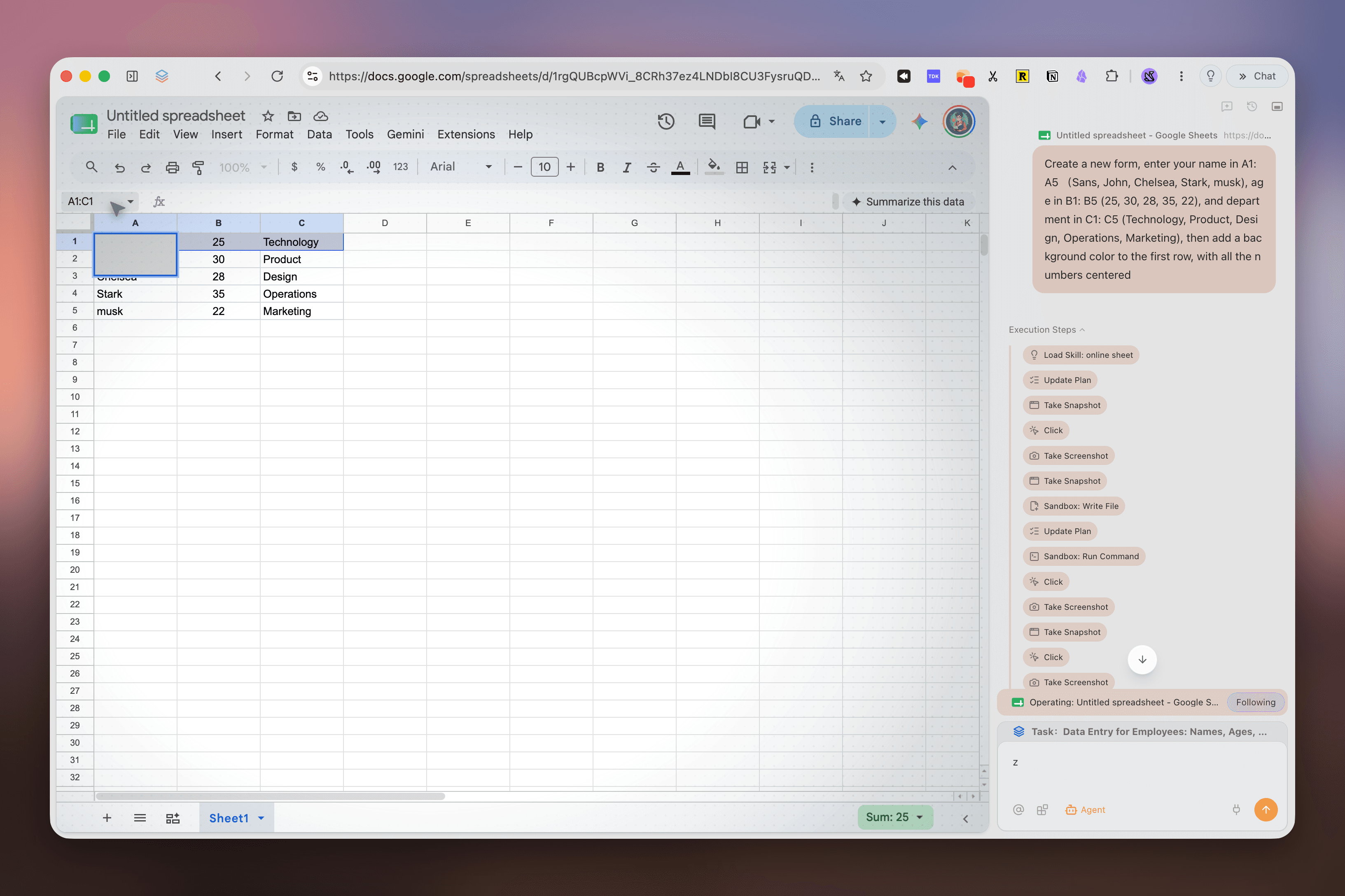
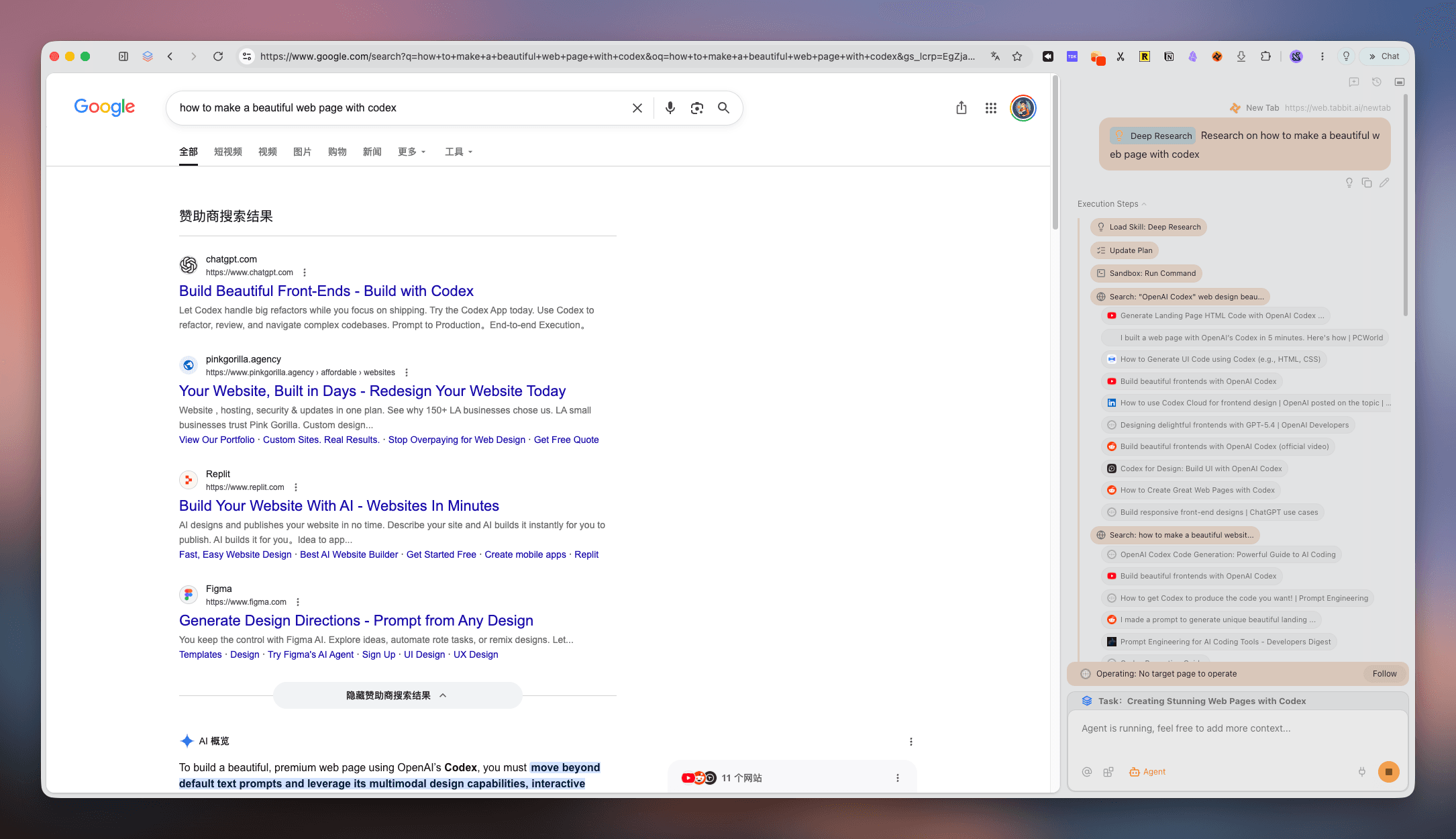
| Tabbit with supported models | You need web research, page context, and Agent workflows | Tabbit is not a host for third-party uncensored weights or a SillyTavern connector |
USE IT RESPONSIBLY
Do not treat a community label as a safety guarantee. Check local law, age requirements, copyright, provider terms, and the privacy of every prompt. Keep credentials and personal records out of untrusted endpoints.
FAQ
The official sources checked here document Qwen3 models such as Qwen3-8B. “Qwen 3.8” appears as a community search label, so verify the exact repository instead of assuming it is an official release.
Usually it is a community description for a fine-tune, abliterated build, or provider policy. It is not a standardized technical or legal category.
Usually SillyTavern connects to a compatible runner rather than loading the file itself. Check the model card, runner support, quantization, and the endpoint settings.
Start with the exact repository you plan to run. The official Qwen3-8B card is a useful reference for naming, license, context, templates, and runtime options, but it does not describe every community derivative.
Check the chat template, system prompt order, stop tokens, context budget, and character-card format. A wrong template can change behavior before sampling settings do.
No claim is made here that Tabbit hosts third-party uncensored weights or connects to SillyTavern. Tabbit currently supports models including Qwen3.5-Plus for browser chat and Agent workflows.
Tabbit is a browser for page-grounded chat, research, and Agent tasks with supported models. It is an alternative for browser work, not a replacement for SillyTavern’s character-card frontend.
Read the provider’s privacy and retention terms, avoid sending secrets or personal records, and prefer a local endpoint when you can operate it securely.
Use Tabbit with a supported model to cite pages, summarize sources, and run browser tasks while keeping the workflow visible.