Official dense checkpoint
The Qwen model card is Qwen/Qwen3.8-27B. It reports 27B parameters, a vision encoder, Apache-2.0 licensing and native 262,144-token context.
Qwen3.8-27B · SillyTavern field guide
The name is real, but it is easy to mix up. Qwen publishes an official Qwen3.8-27B dense vision-language checkpoint. Qwen3.8-Max is a different family member: 2.4T parameters in total and 95B active. Start with the checkpoint and provider you actually have, then tune the RP preset.
This guide separates upstream facts from community reports. It does not promise a specific provider, quantization or Tabbit account access.
Name check
Search results put several labels next to each other. They point to different artifacts, so a copied name can send a local setup down the wrong path.
The Qwen model card is Qwen/Qwen3.8-27B. It reports 27B parameters, a vision encoder, Apache-2.0 licensing and native 262,144-token context.
Qwen’s release post and related open-weight naming describe Qwen3.8-Max as 2.4T total with 95B active parameters. Its open-weight model is Qwen3.8-2.4T-A95B, not a 27B alias.
GGUF, FP8, GPTQ and roleplay fine-tunes can add a suffix or a creator name. Treat each repository as its own artifact and read its quantization and template notes.
SillyTavern needs the exact model ID exposed by the provider. A friendly display name is not proof that the route serves Qwen3.8-27B.
Model card
Use these facts to choose a runtime. They describe the upstream checkpoint, not the memory cost of every quantized file.
The dense language model is listed at 27B parameters. The page also lists a 28B safetensors file size label, so do not turn a download label into a different model name.
The model card labels it image-text-to-text and describes native image and video understanding. A backend still needs the matching processor and multimodal support.
Native context is 262,144 tokens, extensible to 1M in the card. Long context does not mean a consumer GPU can load every configuration.
The card gives examples for Transformers, vLLM, SGLang, TokenSpeed and Docker. Choose a current version that explicitly supports this architecture.
SillyTavern setup
A character card cannot fix a wrong route or a duplicated template. Use this order for a hosted API or a local server.
Provider labels, community presets and quantized repositories are not part of the upstream model card. Keep those claims attached to their source.
Copy the exact repository or provider model ID. Decide whether you have Qwen/Qwen3.8-27B, a quantized derivative or the separate Qwen3.8-2.4T-A95B family member.
For local use, confirm that Transformers, vLLM, SGLang, llama.cpp or your chosen app supports the checkpoint and its vision path. A GGUF file may not expose every multimodal feature.
For an OpenAI-compatible server, select Chat Completions, enter the documented base URL and copy the model ID returned by the server. Keep keys out of character cards.
Let the hosted route serialize messages, or use the local tokenizer’s documented chat template. Applying both can produce broken roles, stray tags or an oddly terse reply.
Run the same card with thinking disabled or low, then medium and xhigh when the provider exposes those controls. Record latency and scene movement before changing the prose preset.
Fast diagnosis
Hold the character card and opening message steady. Change one input at a time, and save the returned model ID with your test notes.
| Symptom | Check first | Small fix |
|---|---|---|
| Model not found or silent fallback | Provider model list and response model | Copy the exposed ID. Remove a guessed qwen3.8-27b alias. |
| Roles, tags or formatting break | Who owns the chat template | Use one template path only, then start a fresh chat. |
| VRAM runs out | Weight format, context and vision inputs | Try a smaller quant, lower context and text-only baseline before blaming RP. |
| Long thinking, little story progress | Reasoning mode, output cap and preset length | Compare low or medium with xhigh on the same card. |
| Prose changes between providers | Provider filters, sampler defaults and system prompt | Record the route as the variable. Do not call one provider result a model fact. |
RP test card
Use a compact test prompt while debugging. It makes template, thinking and provider differences easier to see.
Role: You are [character].
Scene: [place, relationship, current conflict].
Style: [POV, language, sentence length].
Direction: Advance one observable action. Do not speak for the user.
Continuity: Use confirmed facts only; ask when uncertain.
Format: Action first, dialogue second. 250 to 450 words. No recap.
Check: Keep the voice, boundaries and unresolved clue from the previous turn.
Send the same card three times. Compare latency, unwanted tags, format adherence and whether the scene changes. Only then adjust temperature, context or a community preset.
Browser route
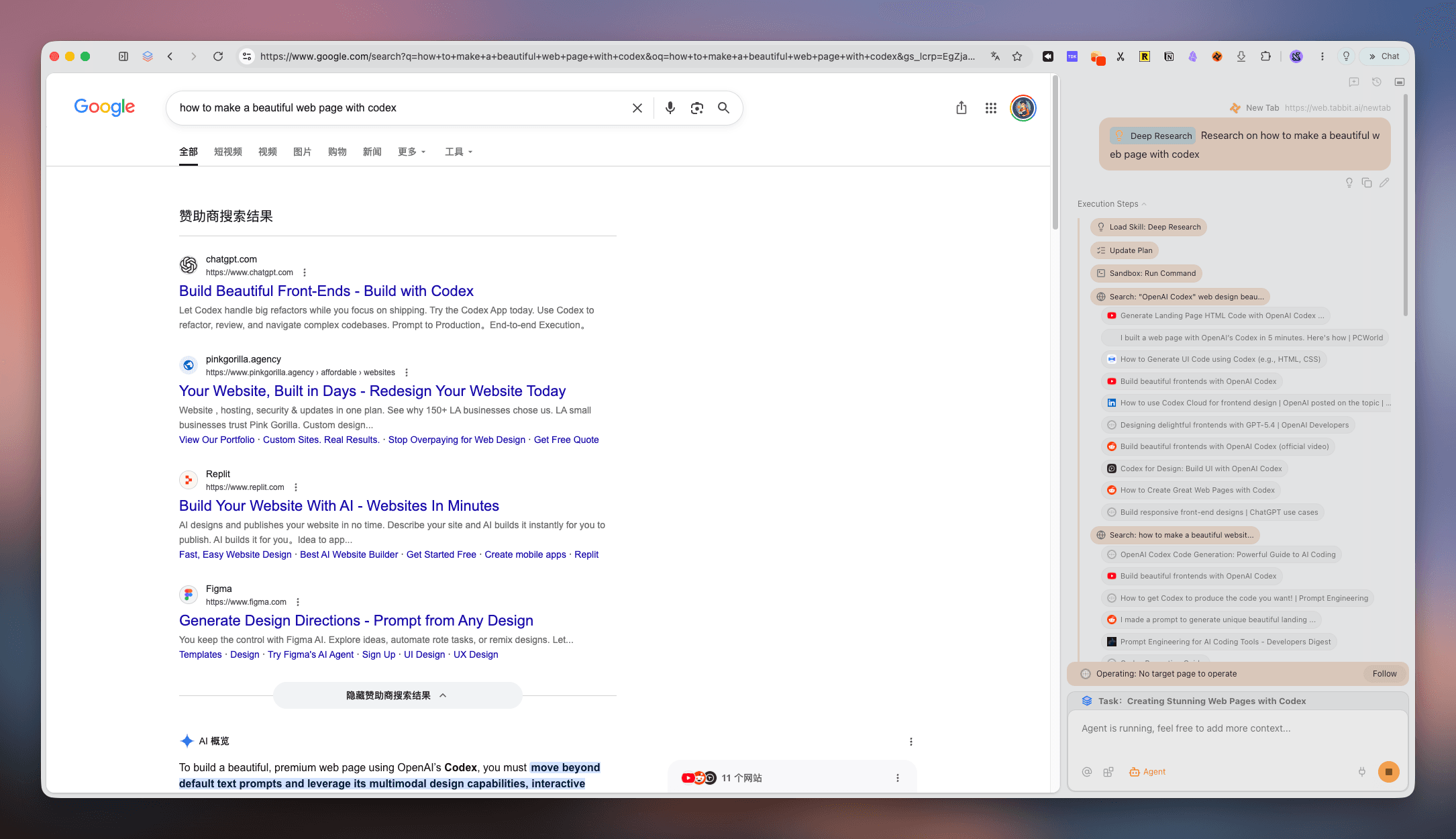
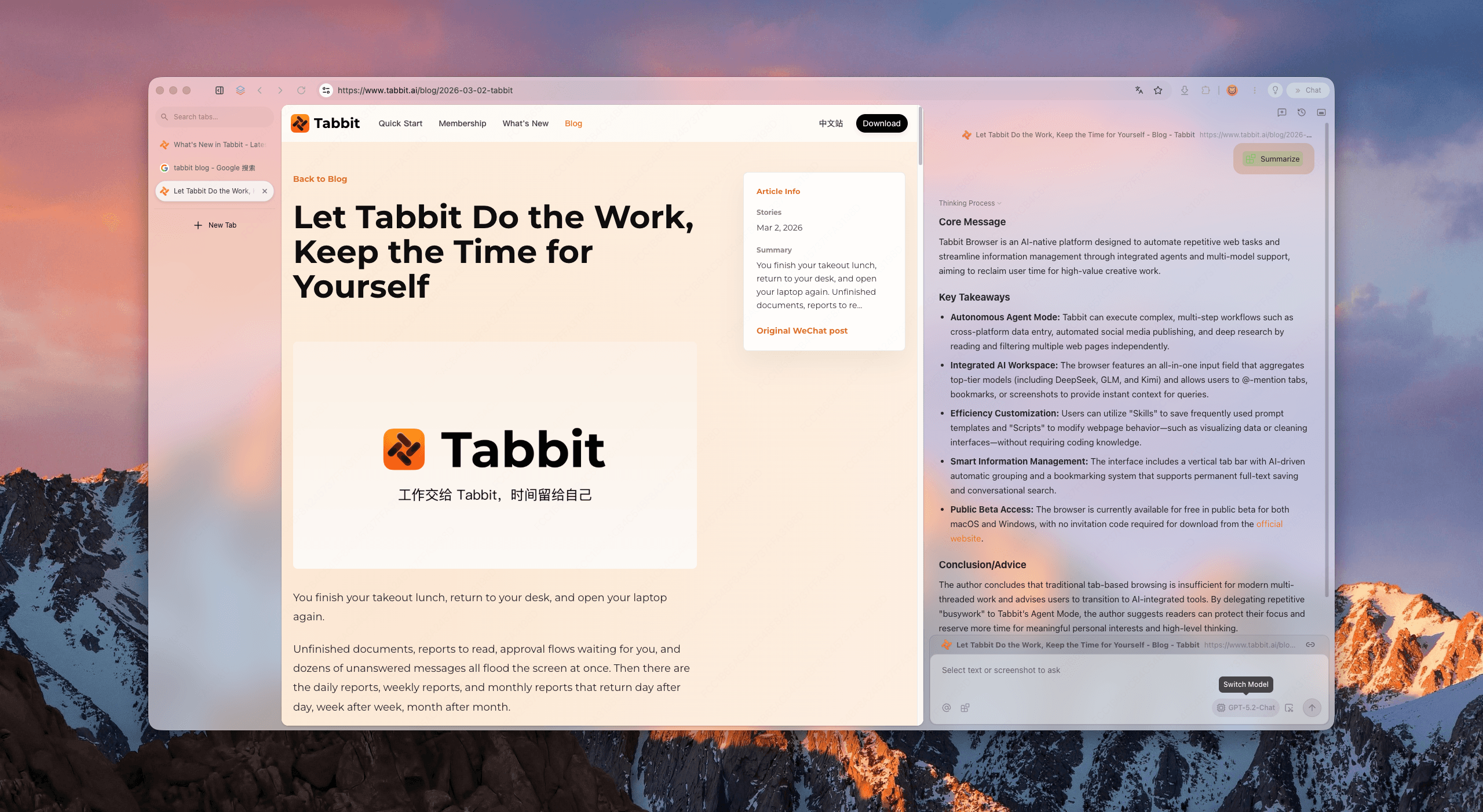
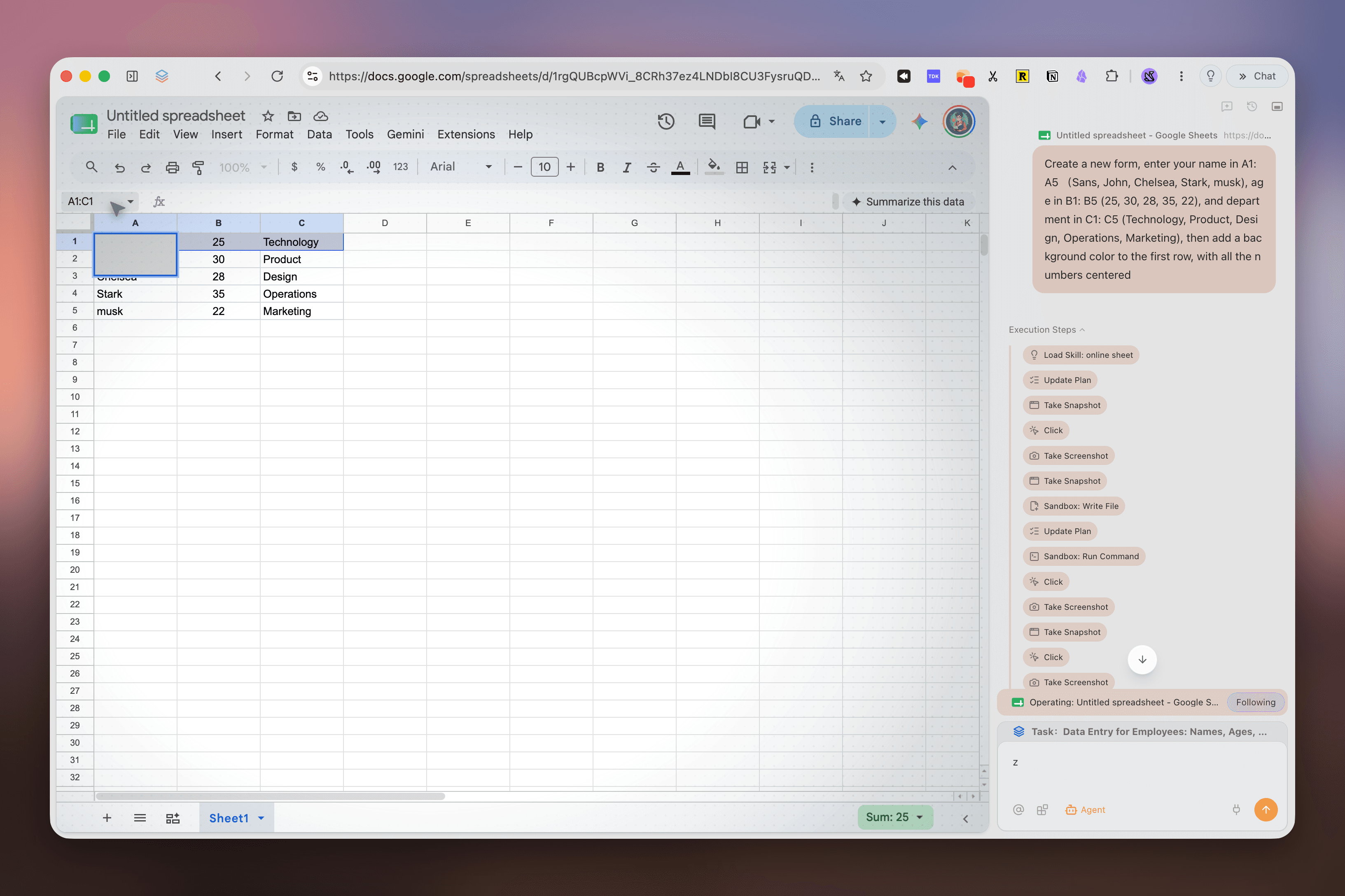
SillyTavern remains the specialist cockpit for cards and lorebooks. Tabbit helps when the hard part is reading a model card, comparing provider notes and writing against a reference without constant copy and paste.
Keep the Hugging Face card, provider docs or character wiki in a tab. The page stays available while you work through the setup.
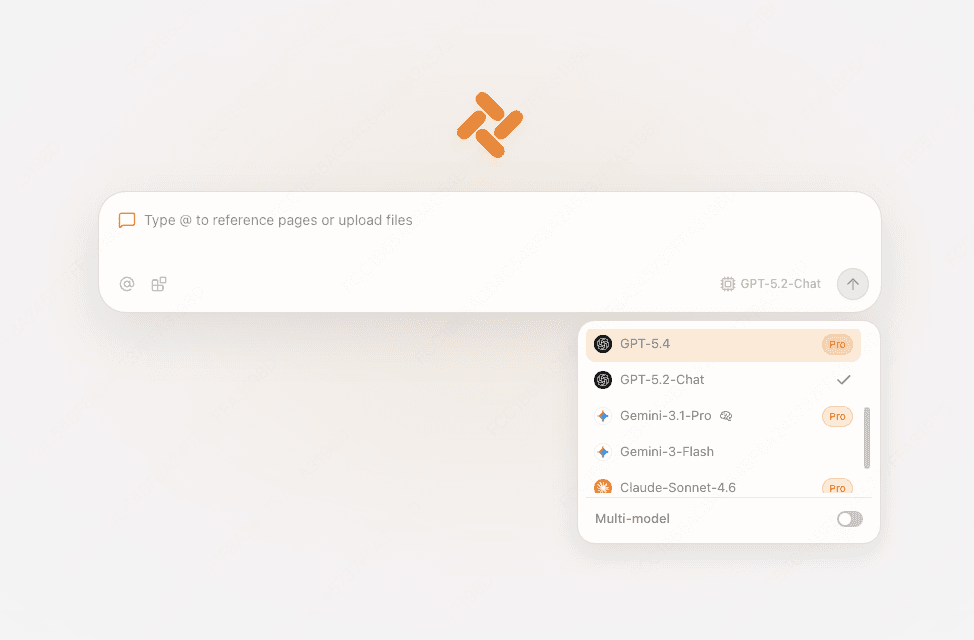
Open Tabbit’s model picker and choose Qwen3.8-27B only when your edition and account show that exact option. The picker is the availability source for Tabbit.
Use @ to bring a page, screenshot or file into a question. Ask another model to extract template requirements or compare a quantization note with the model card.
Multi-model chat can read the same source from more than one angle. The interface proves the browser workflow, not identical model access for every user.
Browser route
Choose the surface
They solve different parts of a roleplay workflow. Keep the specialist controls where they help, and use the browser when references are the bottleneck.
| Need | SillyTavern | Tabbit |
|---|---|---|
| Cards and lorebooks | Dedicated RP controls | Reference pages and files |
| Preset and prompt order | Fine-grained prompt controls | System prompt and Skills |
| Read docs beside RP | Extensions or copy and paste | Open tabs become context |
| Compare model answers | Provider setup or extensions | Multi-model browser chat |
| First action | Verify ID, backend and template | Open the source, then check the live picker |
Open the evidence
The links below separate upstream specifications from the reports that explain why SillyTavern users are troubleshooting this model.
FAQ
Yes. Qwen/Qwen3.8-27B has an official Hugging Face model card. It is a 27B dense vision-language checkpoint. It is separate from Qwen3.8-Max and Qwen3.8-2.4T-A95B.
No. Qwen3.8-Max is described as 2.4T total parameters with 95B active. Do not use a Max provider ID or a 2.4T quantization when you intend to test the 27B dense model.
There is no single answer without your GPU, RAM, context target and backend. Start from a repository that states its format and loader support. Treat GGUF, FP8, GPTQ and fine-tune names as separate artifacts.
A hosted provider normally owns serialization. A local server should use the tokenizer or checkpoint documentation. Do not apply a second Qwen template on top of an already formatted endpoint.
Check reasoning mode, output cap, context size, sampler defaults and provider routing separately. Community reports vary, so reproduce the same card and record the route before changing the prompt.
Only choose it if your Tabbit model picker shows the exact model. Availability varies by edition, region, account and rollout. You can still use Tabbit to keep the model card or character reference beside a supported chat.
Install Tabbit for macOS or Windows, check the live model picker, and bring the model card or character wiki into the same browser conversation.
Model access and provider terms vary by edition and rollout.