Gemma 4 uncensored × SillyTavern

“Uncensored” is a claim to verify

In SillyTavern, uncensored can mean a community fine-tune, an abliterated checkpoint, a provider label, or simply a roleplay report. It is not an official Gemma 4 variant. Check the exact model card, license, template and provider policy before you blame the model for a refusal or a broken scene.

Google model card
Check Google’s safety and model facts
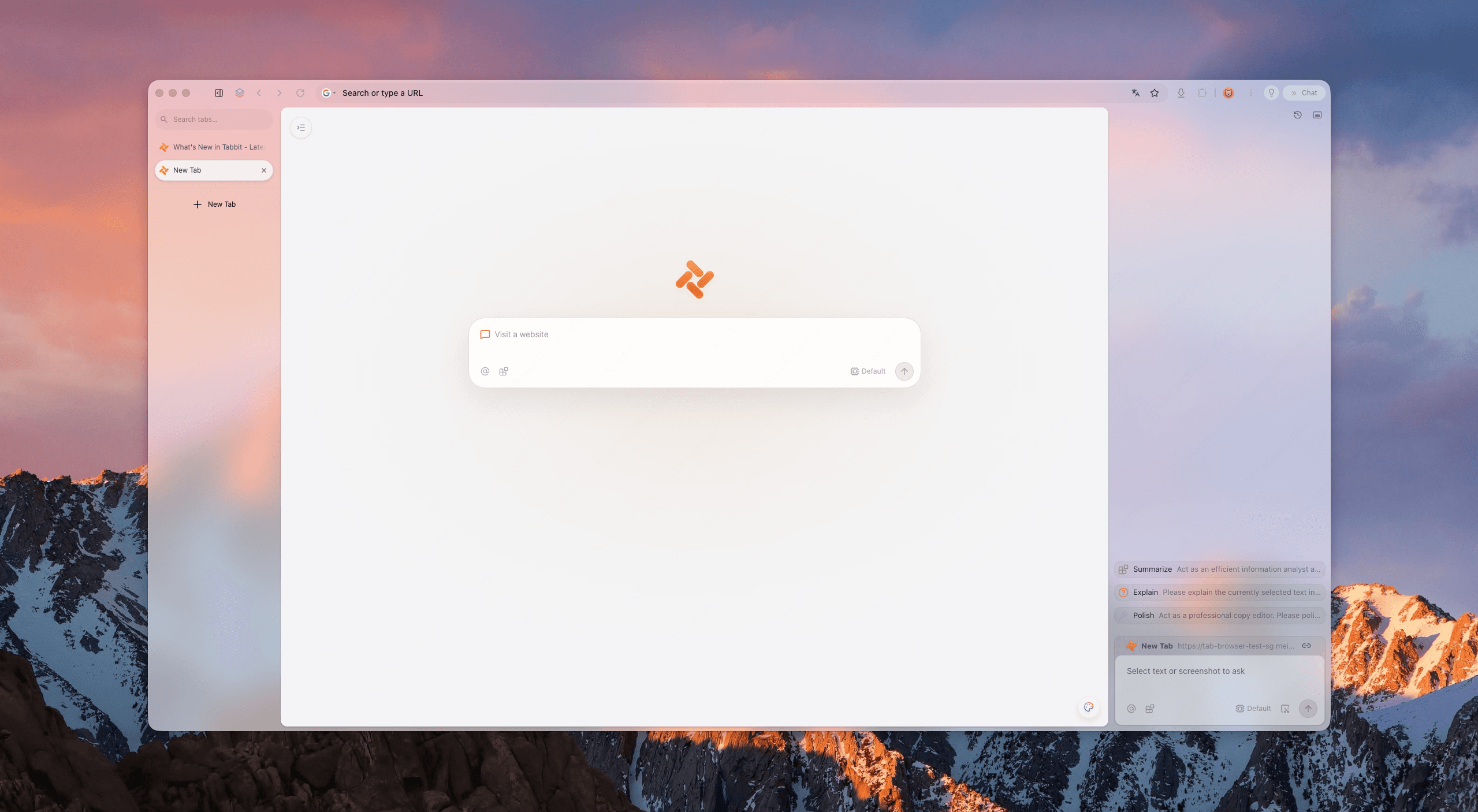
Tabbit desktop browser showing vertical tabs, a central prompt field and an AI panel for keeping source pages beside a chat.

Start with evidence

Separate the base model from the label

Google publishes Gemma 4 pretrained and instruction-tuned open weights, with safety evaluations and usage limits. A Hugging Face repository named Uncensored is a separate community release. Its test counts and quality claims belong to that author, not to Google.

01

Official does not mean unrestricted

Gemma 4’s model card describes safety evaluations for dangerous content, explicit sexual content, hate and harassment. A roleplay may feel flexible while a direct harmful request still gets a refusal. That behavior is not a bug to bypass.
02

Community names need a card

Repositories such as HauhauCS/Gemma4-26B-A4B-Uncensored-HauhauCS-Balanced publish their own weights, quant files and “0 refusals” claims. Treat those as author or user reports. Read the license, base checkpoint, release notes and evaluation method.

03

Quantization is not alignment

Q4, Q5, Q6, GGUF and a provider slug describe a file or route. They do not prove a model is uncensored. A quant can change memory and output quality while behavior comes from the checkpoint and fine-tune.

A safe verification path

Check four layers before tuning a card

The fastest diagnosis is a short, reproducible test with one change at a time. Save the exact model string and prompt context so a community claim can be checked later.

  1. 01

    1. Record the model identity

    Copy the provider slug or repository name, base model, revision and quant. Compare it with the model card. “Gemma 4” in a menu is not enough to identify the weights.

  2. 02

    2. Check license and policy

    Confirm the model license and provider acceptable-use rules. Apache 2.0 applies to Google’s Gemma 4 release; a community derivative can add notices or obligations. Keep local law and platform rules in force.

  3. 03

    3. Align template and sampler

    Use the backend’s current Gemma 4 template and tokenizer. Start from Google’s documented temperature 1.0, top-p 0.95 and top-k 64, then change one value. Do not paste a jailbreak or a preset that promises unlimited output.

  4. 04

    4. Test a harmless RP slice

    Use a short character scene to test voice, repetition, memory and refusal boundaries. Record the prompt, context size and response. Stop when a request moves toward real-world harm, sexual content involving minors or privacy abuse.

SillyTavern is a frontend. KoboldCpp, llama.cpp, LM Studio and hosted providers can apply different templates, filters and limits. A setting that works in one route is not a universal Gemma 4 rule.

When the chat breaks

Fix the layer that failed

CASE 01

A refusal in a roleplay

Check the exact request and provider policy first. Try a safer fictional framing or remove real-world instructions. Do not add jailbreak text or claim that a re-ask guarantees compliance.

CASE 02

Control tokens appear

Visible `<|think|>` or turn markers usually point to a tokenizer, template or backend mismatch. Compare the loader’s documented Gemma 4 format with SillyTavern’s API mode.

CASE 03

Repeats or loses the character

Freeze the checkpoint and card, reduce duplicated lore, check context growth, then change one sampler value. Community presets are hypotheses, not proof that an “uncensored” model is better.

CASE 04

A download does not behave as described

Check the revision, file hash, quant type, context setting and provider route. A model card may describe a different file. Keep a small log instead of stacking several fixes at once.

A browser-side alternative

Keep the character wiki open and ask beside it

Tabbit is not a local GGUF runner or a SillyTavern card manager. It helps when the setup problem is scattered reference material: keep a character page, lore notes or a troubleshooting thread in view while you chat with a model available in the browser.

  1. 1

    Install Tabbit

    Download the Chromium-based desktop browser for macOS or Windows. This route does not require a local Gemma file, a provider key or a SillyTavern server.

  2. 2

    Choose a model that is listed

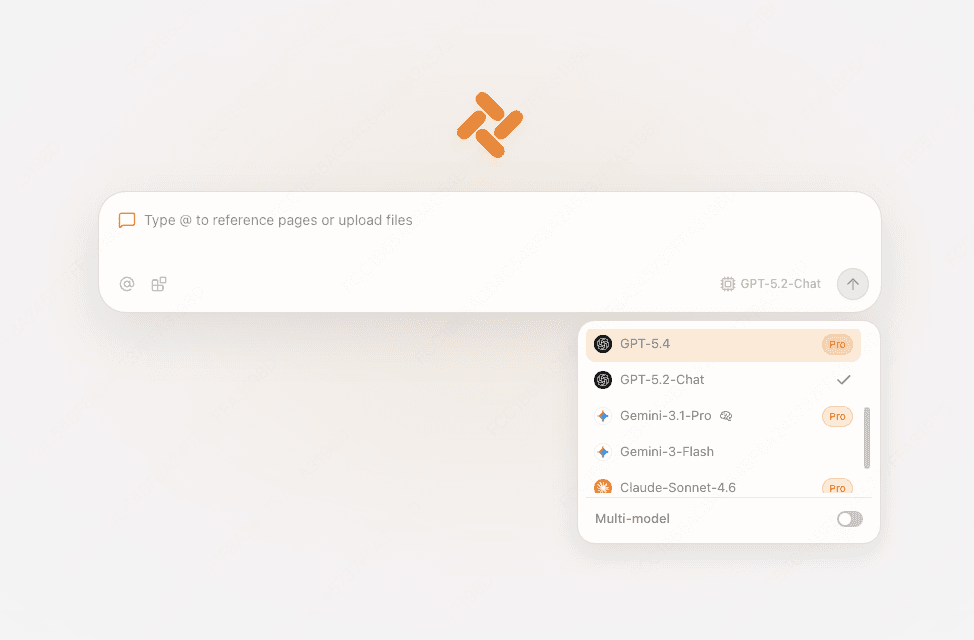
    Open the in-product model picker after installation. The current product code lists models such as GPT-5.4, Gemini-3.1-Pro, Claude-Sonnet-4.6 and DeepSeek-V4-Flash. Gemma 4 is not in that current mapping, so this page makes no promise that Tabbit runs Gemma.

  3. 3

    Bring the source into chat

    Leave the wiki or setup notes in a tab. Type `@` to reference a page, screenshot or file, then ask for a scene outline, a consistency check or a summary of the settings you just compared.

Tabbit new-tab model picker showing GPT-5.4, GPT-5.2-Chat, Gemini-3.1-Pro, Gemini-3-Flash and Claude-Sonnet-4.6. Gemma 4 is not visible in this screenshot.

Choose the client

SillyTavern for the card, Tabbit for the source page

They solve different bottlenecks. Keep the specialized frontend when you need its controls, and use a browser route when your context lives across pages and files.

SillyTavernTabbit
Character cards and lorebooksCore workflowReference the source page
Gemma 4 local checkpointBring your own backendUse a model shown in the picker
Template and sampler controlDetailedManaged by selected model
Web contextPaste or use extensionsReference a tab or file with @
First useful replyEndpoint + template + presetInstall + choose a listed model
Tabbit new-tab model picker showing GPT-5.4, GPT-5.2-Chat, Gemini-3.1-Pro, Gemini-3-Flash and Claude-Sonnet-4.6. Gemma 4 is not visible in this screenshot.

Bring the source into chat

Leave the wiki or setup notes in a tab. Type `@` to reference a page, screenshot or file, then ask for a scene outline, a consistency check or a summary of the settings you just compared.

Tabbit new-tab model picker showing GPT-5.4, GPT-5.2-Chat, Gemini-3.1-Pro, Gemini-3-Flash and Claude-Sonnet-4.6. Gemma 4 is not visible in this screenshot.

Web context

Reference a tab or file with @

FAQ

Gemma 4 uncensored in SillyTavern, answered

Is there an official Gemma 4 uncensored model?+

Google’s model card describes pretrained and instruction-tuned open weights, safety evaluations and usage limits. Uncensored names on Hugging Face or in a provider menu are community claims, not an official Google variant.

Can I trust a “0 refusals” claim?+

Treat it as a publisher test result. Check the revision, prompts, sampling, context and refusal definition. It does not guarantee compliance, legality or provider approval.

How much VRAM do I need?+

There is no single safe number. Quantized weight size, KV cache, context, runtime buffers and the vision encoder all matter. Measure the exact GGUF or backend build with your intended context instead of using the 26B label as a VRAM promise.

Why do I see `<|think|>` in the reply?+

The tokenizer or template may not match the backend, or the server may have exposed the control token as text. Check Gemma 4 formatting, tokenizer and thinking settings before changing sampling.

Does Tabbit run Gemma 4?+

The current Tabbit model mapping does not include Gemma 4. Use a model shown in the picker. Tabbit can still help compare the model card, repository and provider documentation.

Verify the weights before you tune the scene

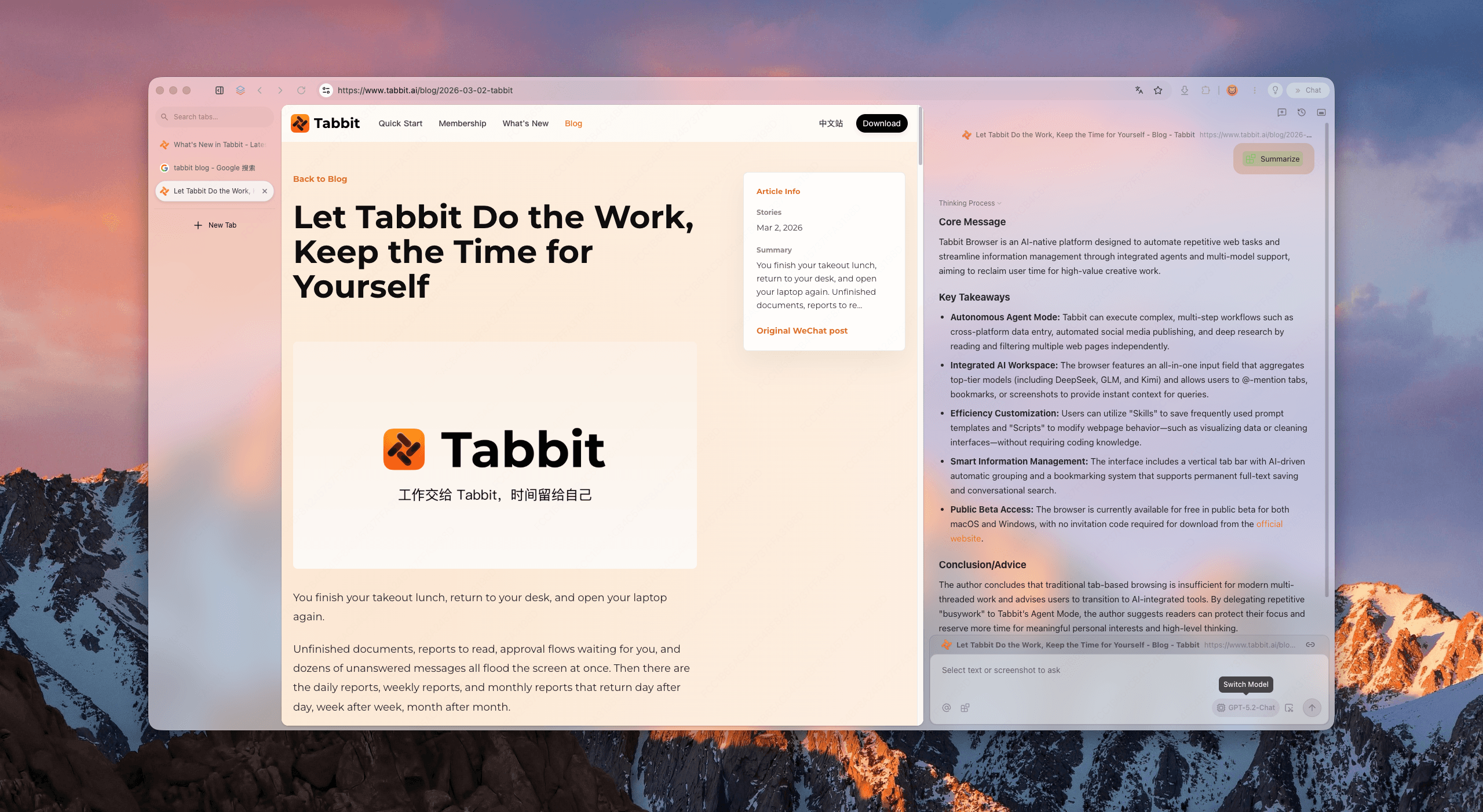
A model name, a community claim and a SillyTavern preset are three different things. Check each one, keep a short test log, and use Tabbit to compare the sources beside a supported browser model.

Available for macOS and Windows. Model availability and provider policies can change.

© 2026 Tabbit Browser. The AI-native browser that understands your context.